
CEE: The Rising Star in Smart Home Adoption
Discover how Central and Eastern Europe (CEE) is rapidly becoming a key player in the smart home landscape. This article delves into the unique factors that position CEE to lead the next wave of smart home technology adoption.
Michal Sroka
11/15/20254 min read
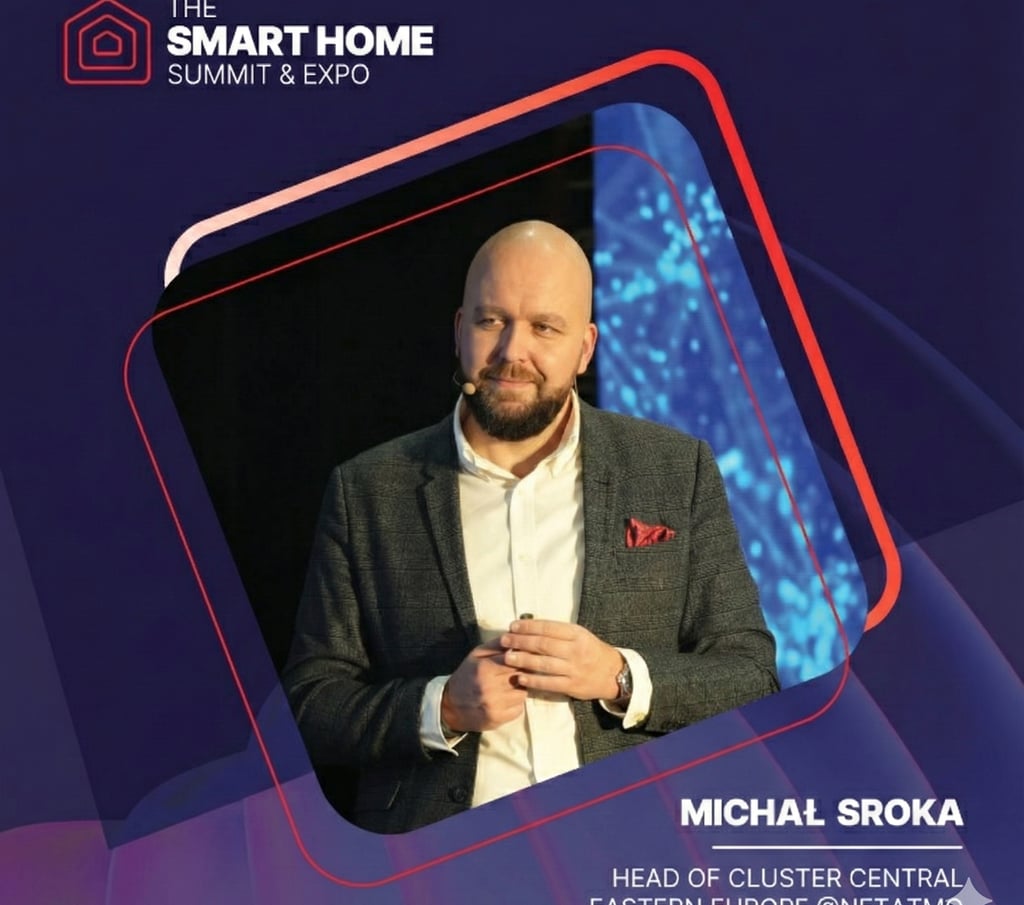
The Smart Home Summit: What Events Like This Mean for the Future of Smart Home & Consumer Electronics in CEE
The smart home industry evolves rapidly — new devices, new platforms, new ecosystems, and shifting consumer expectations. But while technology moves quickly, the understanding of market dynamics often lags behind. Events such as The Smart Home Summit (www.thesmarthomesummit.com) play a crucial role in closing that gap by bringing together innovators, manufacturers, retailers, operators, and industry experts from across Europe.
For those working in consumer electronics and smart home across Central & Eastern Europe, the Summit is not just another tech conference. It is a window into global strategic thinking, ecosystem evolution, and long-term trends that will soon reach — or are already shaping — CEE markets.
This article summarizes the core themes of the Smart Home Summit and why they matter especially for our region.
1. Smart Home Is Moving From “Early Adopters” to “Real Households”
One of the strongest insights highlighted at the Summit is the industry’s ongoing shift:
From pioneers → to mainstream consumers.
In the early years, smart home was driven by hobbyists and tech enthusiasts willing to experiment. Today, products must:
solve everyday problems,
integrate seamlessly,
work reliably,
and deliver real value to non-technical households.
This shift changes everything — product design, pricing, marketing, retail positioning, and support expectations.
For CEE, this creates opportunity. Younger demographics, growing middle class, and the region’s rapid adoption of connected technologies mean smart home can scale faster here than in some Western markets where saturation is higher.
2. Interoperability Has Become the Heart of the Industry
Across almost all panel discussions, one topic kept returning:
interoperability.
Matter, Thread, multi-ecosystem compatibility, and platform openness are no longer “nice extras.” They are strategic requirements for any brand planning sustainable growth.
The Summit showcased:
door locks working across ecosystems,
sensors integrated with multiple hubs,
energy and heating systems becoming open platforms,
smart home security shifting toward unified control.
For CEE markets — fragmented, diverse, and competitive — interoperability is particularly important. Consumers here tend to mix brands and shop primarily based on price–value ratio.
Compatibility is a selling point that can win or lose the market.
3. Retailers and Operators Are Taking a Bigger Role
One of the Summit’s clear conclusions:
Smart home is no longer a purely manufacturer-driven market.
Retailers, telecom operators, service providers, and utilities increasingly shape:
category education,
bundling strategies,
service subscriptions,
and consumer adoption paths.
For example:
telecoms bundle smart home with internet plans;
electronics retailers build in-store smart home experiences;
logistics and fulfilment operators enable faster service models;
utilities promote connected heating or energy-saving systems.
In CEE — where strong retail chains (Allegro, Alza, eMAG, Media Expert, OBI, etc.) play a dominant role — this retail-driven adoption model is even more significant.
4. Energy Efficiency and Heating Control Are the Growth Catalysts
Another major trend across the Summit was the rise of:
energy-saving devices,
connected heating solutions,
smart thermostats,
data-driven consumption optimization.
This trend is expected to grow steadily because:
energy prices fluctuate,
governments introduce efficiency regulations,
consumers look for practical savings,
heating systems modernize.
For CEE, this category is exceptionally strong. Heating is a major cost for households in Poland, Czechia, Slovakia, Romania, and the Baltics.
Consumers here are highly receptive to solutions that genuinely reduce bills.
5. Security Remains a Core Smart Home Pillar
Video doorbells, smart locks, cameras, flood sensors, and smoke/CO solutions remain at the centre of consumer expectations.
What changed is the nature of the conversation:
privacy is becoming a consumer priority,
local data storage and EU compliance are selling points,
integration with home monitoring services is increasing.
In CEE — a region with growing awareness of property security — this remains one of the top entry points into smart home ecosystems.
6. The CEE Perspective: Why Events Like This Matter Even More for Our Region
CEE is often underestimated by global teams despite having:
over 110 million consumers,
some of Europe’s fastest-growing e-commerce markets,
rapidly modernizing retail networks,
strong appetite for new technology.
Yet global brands frequently deploy copy-paste Western strategies, ignoring:
local retail structures,
consumer decision paths,
price sensitivity,
cultural differences,
distribution constraints.
Events like The Smart Home Summit provide a bridge between global thinking and regional realities. They help professionals from CEE better understand:
where the global industry is moving,
which technologies will dominate,
how platforms are evolving,
how retailers adapt in different countries,
which product categories will lead the next growth cycle.
This understanding is crucial for anyone shaping strategy in the region — whether manufacturer, distributor, retailer, or integrator.
7. The Smart Home Summit as a Place for Real Market Learning
Beyond presentations, the value of the Summit comes from:
spontaneous conversations,
meeting cross-ecosystem partners,
hearing candid insights from operators and retailers,
understanding how global players approach emerging markets.
For CEE practitioners, it is an excellent opportunity not only to learn, but also to represent the realities of our region and highlight its potential to international audiences.
Conclusion
The Smart Home Summit is more than a technology showcase.
It is a strategic meeting point that reveals where the smart home industry is heading next — and why the CEE region could play a much larger role in that future than many expect.
As smart home moves from early adopters to mainstream households, brands that understand the region’s dynamics will be best positioned for long-term success. Events like the Summit help translate global innovation into actionable strategies for the diverse, fast-changing, and often underestimated markets of Central & Eastern Europe.
Write to us for more:
office@ceetradehub.com